No products in the cart.

Take the next step & schedule a visit today


Cellulite

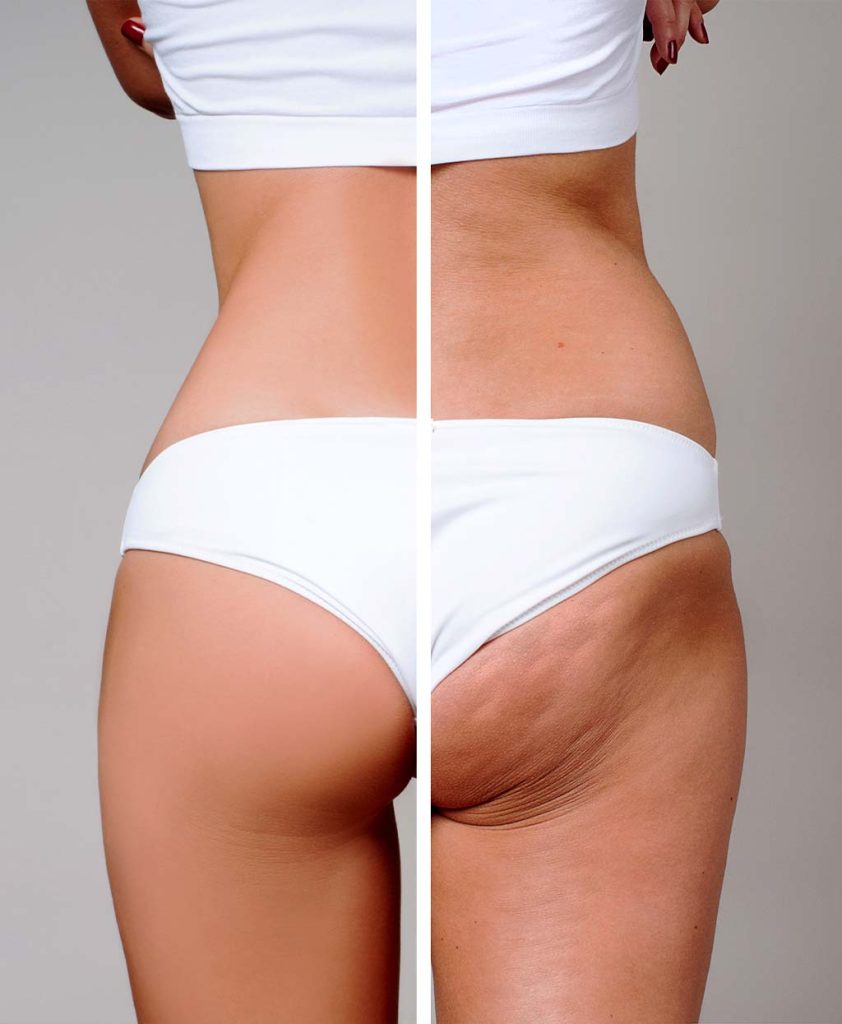
Cellulite is not simply a matter of excess fat. At Dr Sandy Medical Spa we assess the tissue architecture beneath the skin — then plan treatment around the actual cause, rather than the surface appearance. Doctor-led. Individualised. Evidence-informed.

About Cellulite

What causes cellulite?

Cellulite occurs when multiple structures beneath the skin interact, including fibrous connective-tissue septa, subcutaneous fat and the skin itself. When fibrous bands tether the skin downward while underlying tissue pushes upward, the familiar dimples, depressions and “orange-peel” texture of cellulite can become visible.

This is why simply losing weight does not necessarily eliminate cellulite. Cellulite is extremely common in women, including women who are slim and physically fit.

Our approach to cellulite

During your consultation, Dr Sandy assesses the location and severity of your cellulite, whether dimples are visible at rest or mainly with muscle contraction, your skin laxity and quality, subcutaneous tissue thickness, and the pattern and depth of the depressions. Your previous treatments and how you responded to them are taken into account.

Your treatment plan is then selected according to the underlying cause of the cellulite, rather than simply treating the surface appearance. Two patients with similar-looking skin may be offered entirely different plans.

What you want to achieve matters as much as what the examination shows. We discuss your expectations openly, including what is realistically achievable in your treatment area, so the plan we agree on is one you’re comfortable with.

Subcision targets the fibrous connective-tissue bands that tether cellulite depressions downward. Using a fine instrument beneath the skin, selected bands are released so the depression can lift and the surface can appear smoother. It is particularly relevant for discrete dimples that are visible at rest.

Once the tethering bands have been released, hyaluronic acid filler can be placed to restore volume in the treated depression. Used alongside subcision, it addresses the loss of contour that remains once the band is no longer holding the skin down.

Acoustic or shock-wave treatment uses mechanical energy directed at the tissue beneath the skin. Clinical studies have shown improvement in the appearance of cellulite following a course of treatment, though protocols and technologies vary. It is usually given as a series of sessions.

Radiofrequency delivers controlled thermal energy to the tissue and is most useful where skin laxity and overall skin quality are contributing to the appearance of cellulite. Evidence suggests it can improve several measures associated with cellulite, with results varying between devices and protocols.

Candidates for
Treatment

Who is cellulite treatment for?
Cellulite treatment suits a wide range of patients — your consultation determines which approach fits.

Visible dimpling on the buttocks, thighs or hips
Individual, well-defined depressions that show when you are standing still tend to respond particularly well to targeted treatment.

Cellulite that remains despite weight loss
Dimpling is driven by connective-tissue architecture, not fat volume alone. If diet and exercise haven’t changed it, treating the underlying structure is the next step.

Slim and fit patients
Cellulite is extremely common in women regardless of body weight. It is not a sign that you need to lose weight.

Who may not be suitable
Active skin infection in the area, pregnancy or breastfeeding, certain medical conditions, and expectations of complete elimination are all reasons we may recommend against proceeding. This is established at your medical assessment.

have a question?

Quick answers

No treatment can guarantee complete or permanent elimination. The realistic goal is to reduce its visible appearance and improve the smoothness and contour of the treated area.

Not necessarily. Cellulite can remain after significant weight loss, because its appearance depends on connective-tissue architecture and skin quality rather than fat volume alone.

It depends on the approach. Non-invasive treatments generally allow you to return to normal activity immediately, while minimally invasive procedures may involve discomfort, bruising, swelling or tenderness during recovery. Your expected recovery is discussed at consultation.

There is no universal number. It depends on the type and severity of your cellulite and the modality selected — some approaches require a series of sessions, others produce noticeable improvement in fewer.

Yes. It is a structural and biological condition, and its appearance can change with ageing, hormonal changes, weight fluctuations and changes in skin quality.